Thirty-six things a butler would change in an ordinary house, and what to do instead

Almost nothing in it costs money. None of it needs a tradesman.
A visitor decides about your house in about four seconds, standing on the mat with their coat still on. They are not being unkind. They are not even doing it on purpose. But the judgement is made before they have taken a step, and it is almost never made about the thing you spent money on.
I spent forty-seven years in service. I walked guests in through a great many front doors, and I learned exactly what the eye lands on and in what order. Most of what makes a room read as expensive is not expensive. A good deal of it is simply the removal of something that was never meant to stay.
This book is thirty-six of those things. For each one: what to take out, why it reads the way it does to somebody who does not live there, and precisely what goes in its place.
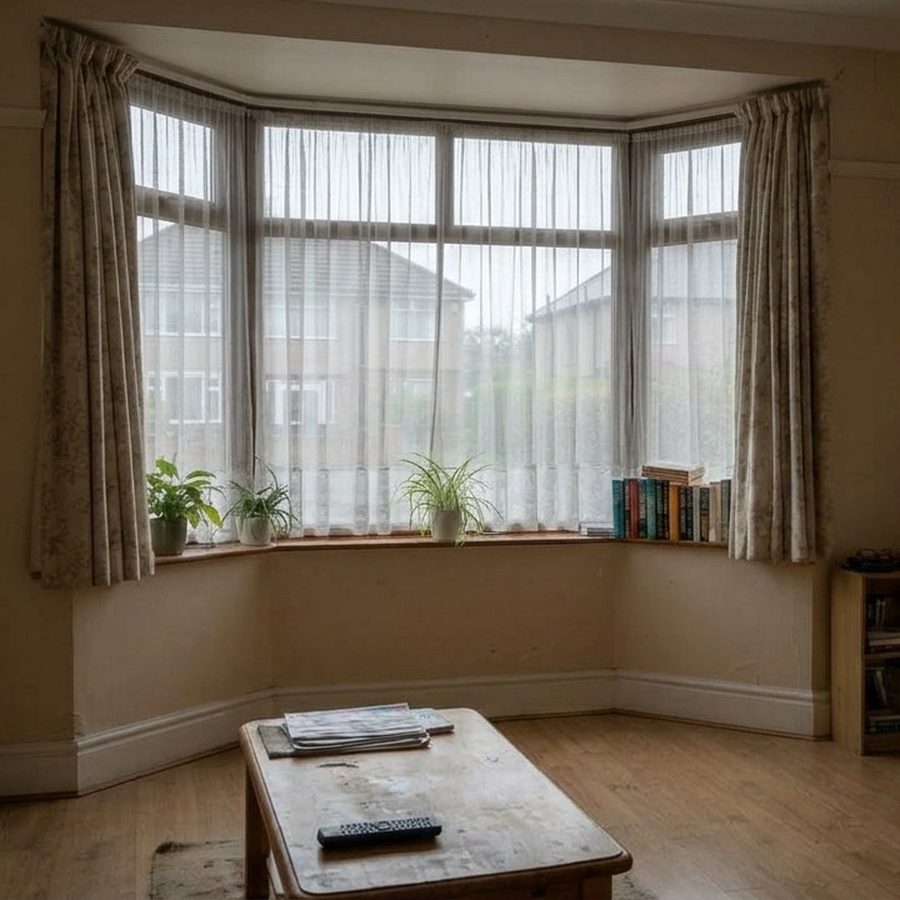
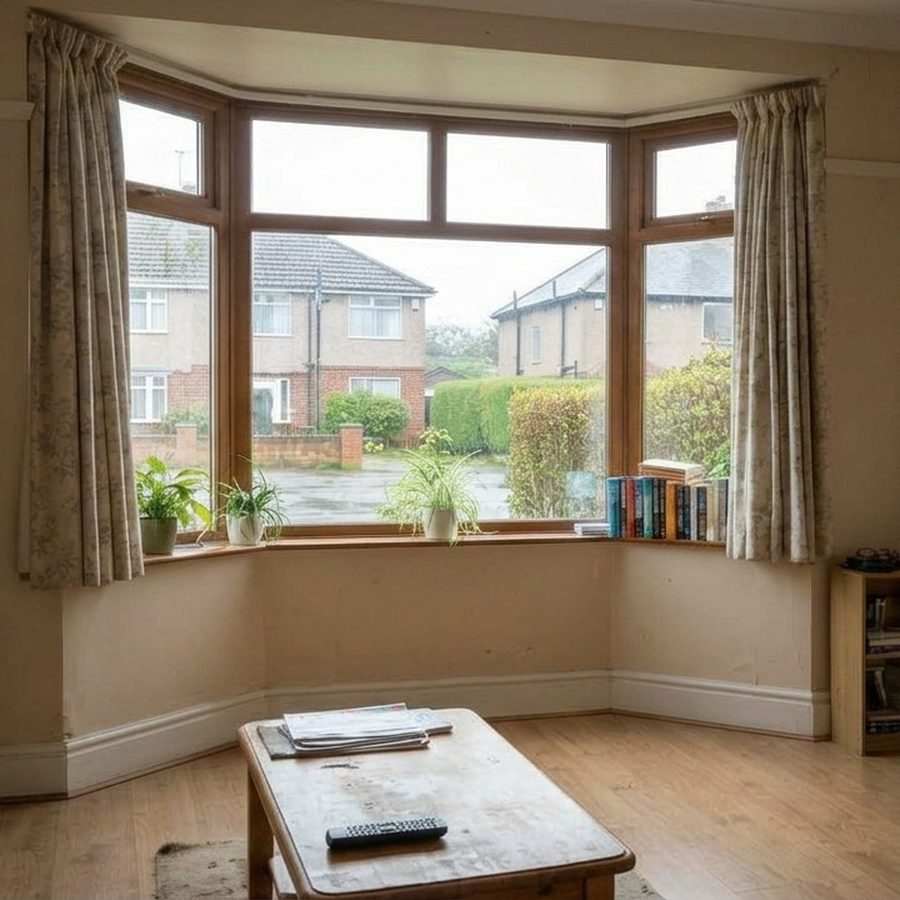
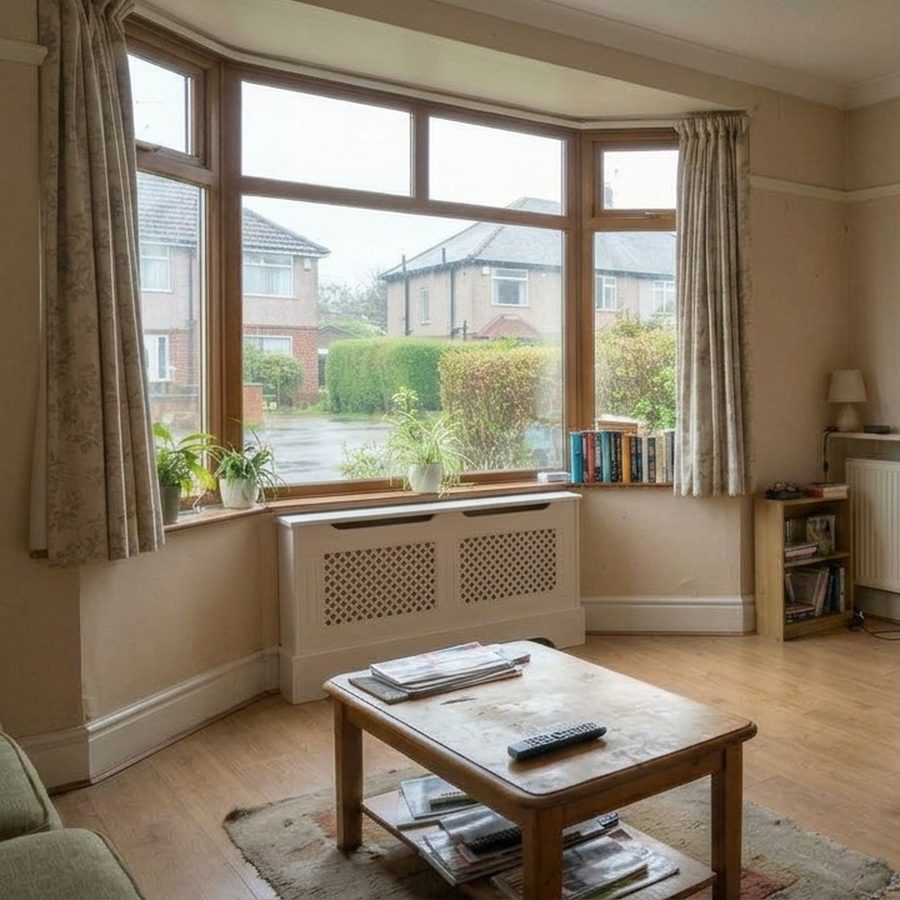
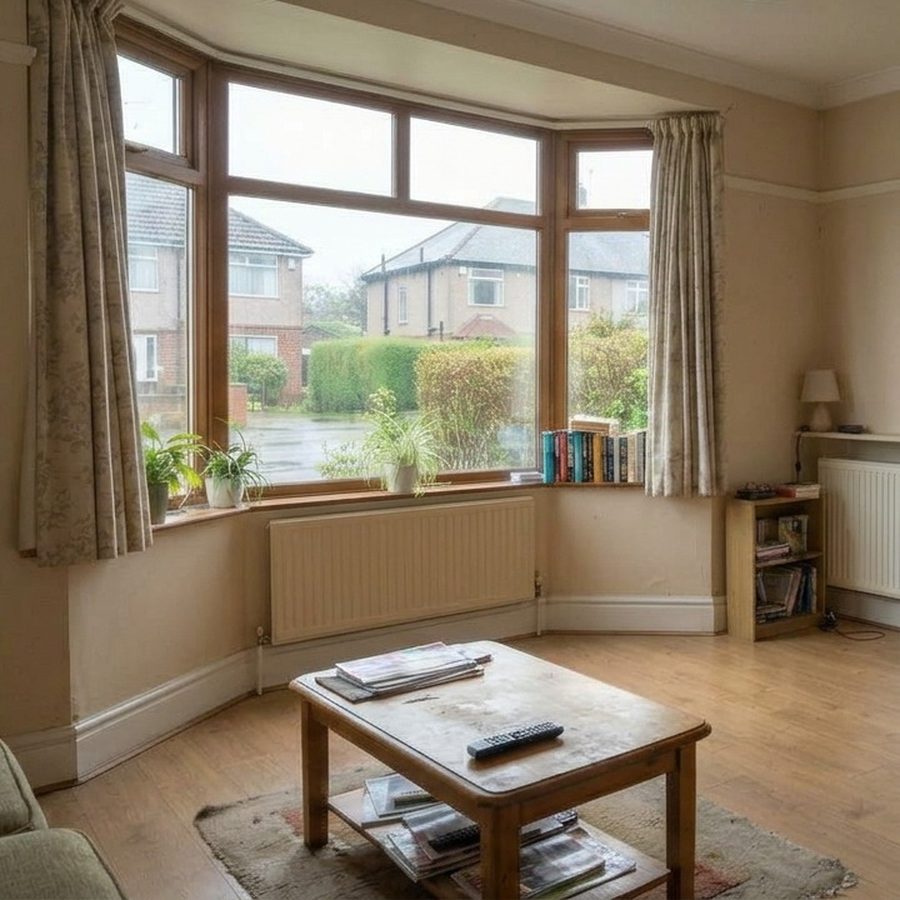
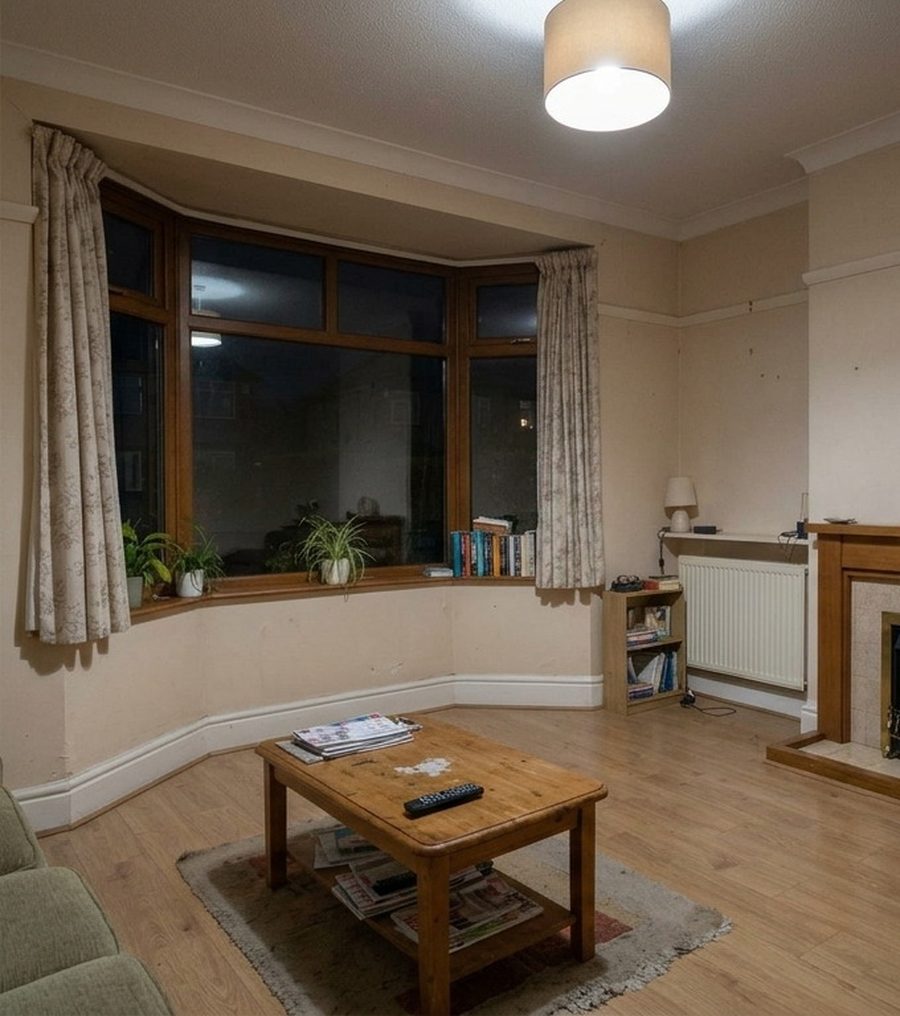
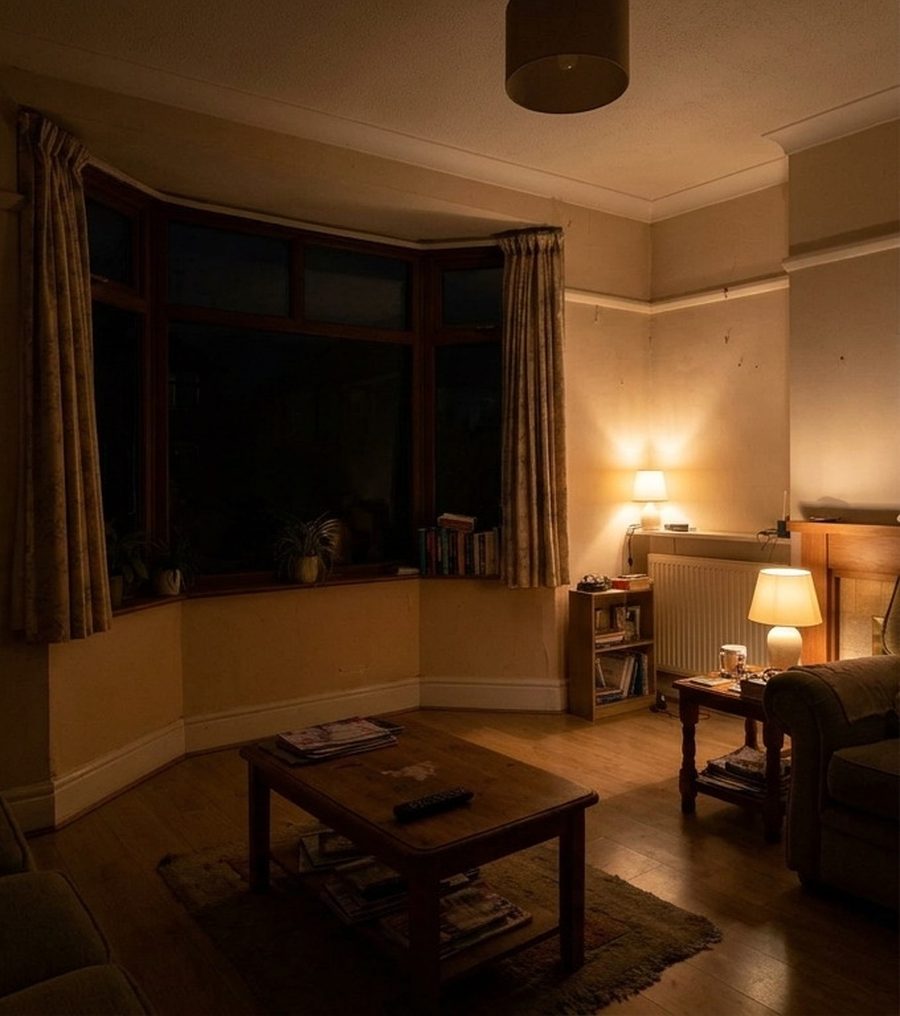
Same hour, same weather, same camera position. Nothing was bought between the two frames. Drag to compare.


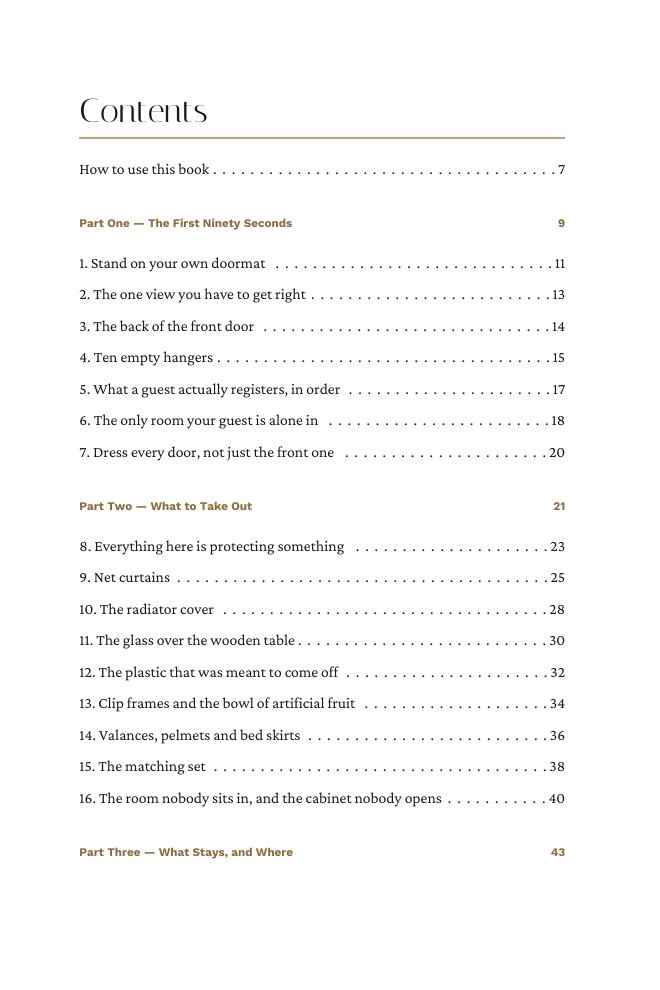
The first ninety seconds · What to take out · What stays, and where · How the house runs · The short season.
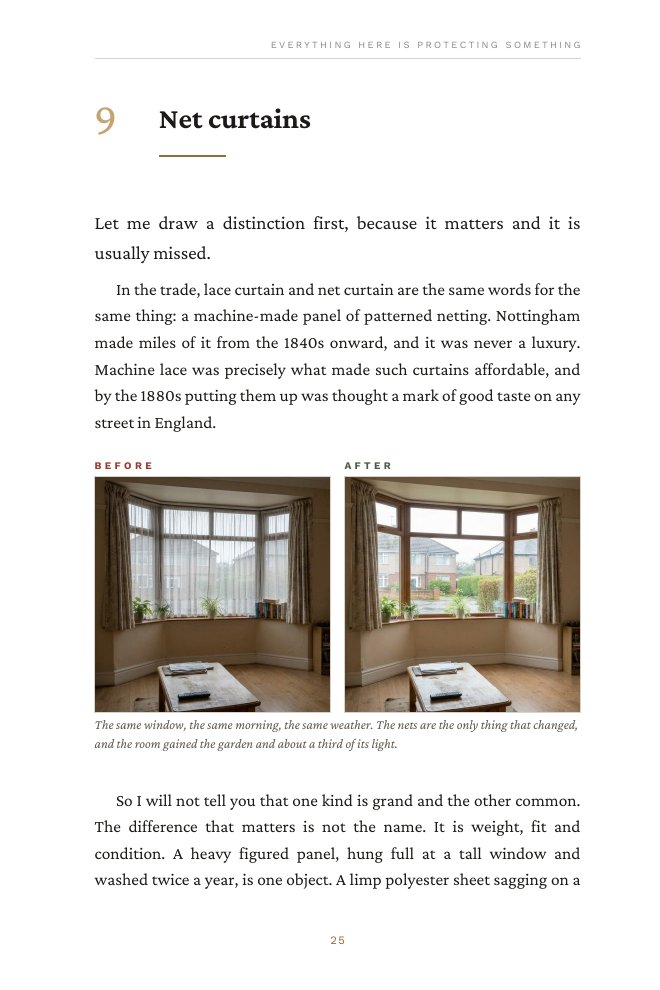
The same room twice, with one thing changed. So you can see the size of the difference before you decide it isn't worth the afternoon.
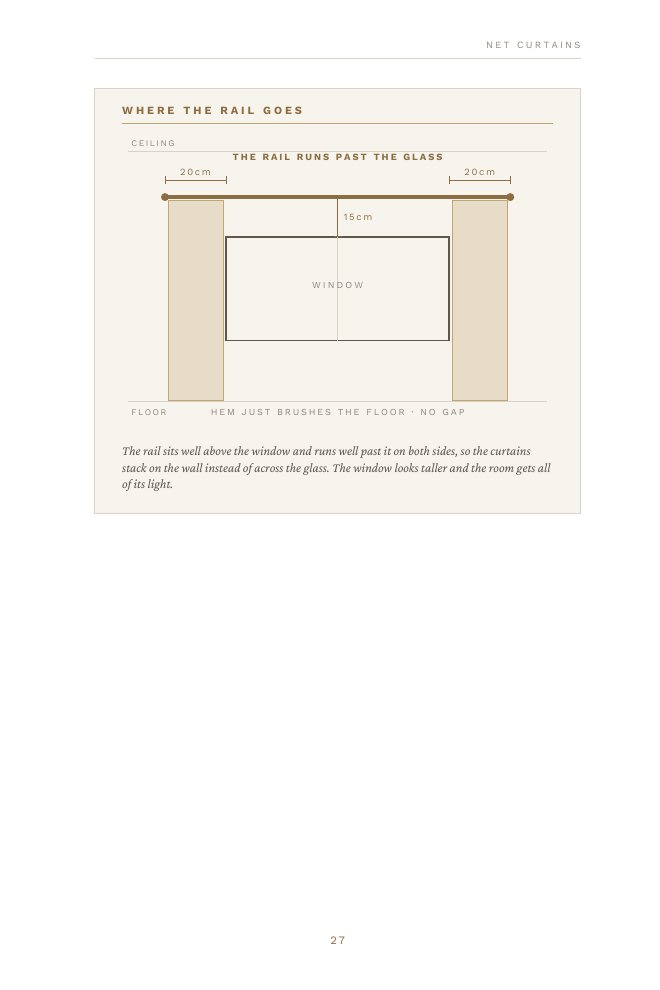
Where the curtain rail goes. How far the rug reaches past the sofa. The height a lamp has to sit at before a room stops looking flat. The part a sentence cannot give you.
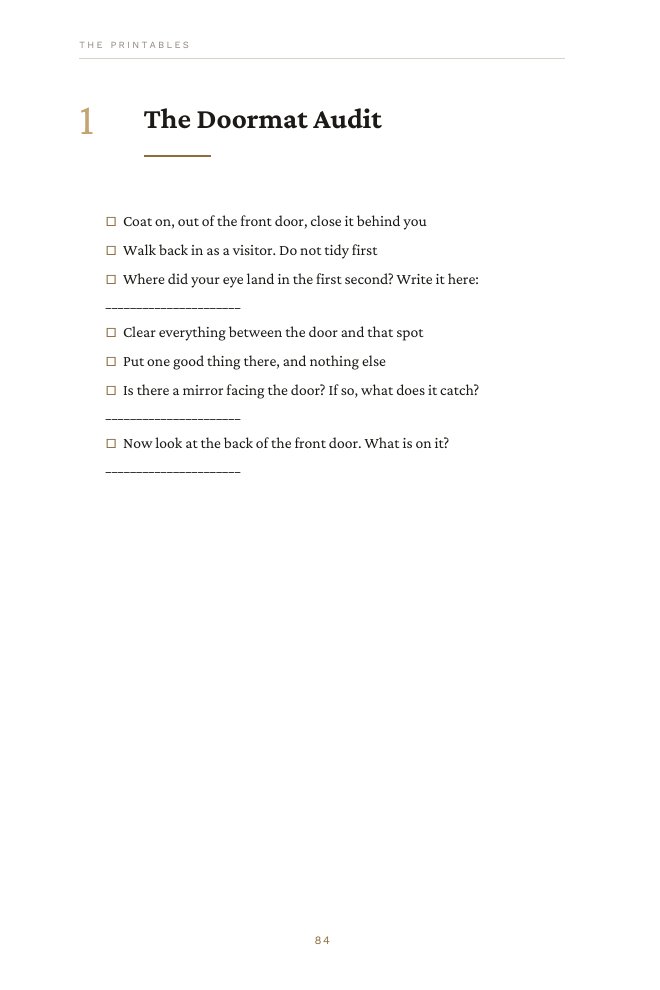
The doing parts, lifted out of the chapters onto single sheets you can print and write on. The doormat audit, the protection test, the evening reset, the hosting countdown.
Everything you have put out to protect something is telling a visitor that you could not replace it.
Chapter 8, of thirty-six
If it does not change one room in your house, write to me and I will refund you. I would rather have the feedback than the twenty-seven dollars.
Each video is one idea. This is the whole of it, in order, with the measurements — and the measurements are the part I can never hand you properly on camera. You cannot judge fifteen centimetres from a talking head, and fifteen centimetres is the difference between a rug that works and one that doesn't. The nine drawings exist only here, and so do the printables.
No chapter begins with the word buy. A handful suggest something second-hand or something you almost certainly own already. The great majority are removals, and a removal has never cost anybody anything.
It is the opposite. Everything in it was written for an ordinary house — the photographs are a 1930s semi-detached. Nothing here requires permission from a landlord, and nothing is screwed to a wall.
A PDF, 93 pages, which opens on a phone, a tablet, a computer or a printer. The eight printables at the back are designed to be printed on ordinary paper and written on.
Arthur Wyndham is a pen name, and the book says so on its own copyright page. The household stories and the photographs in it are illustrative. The advice is not — every measurement in it is one you can check against your own room this afternoon.
Write to me and I will refund you, no argument and no form to fill in.
Almost none of it was about money. It was about what a room says before anybody in it has spoken, and about the small number of things that do all of the talking.
If you do nothing else, do the first chapter. Put your coat on, step out of your own front door, close it, and come back in as a visitor would. Do not tidy first. Whatever your eye lands on in the first second is what your house is, to everybody who is not you.
Good evening.